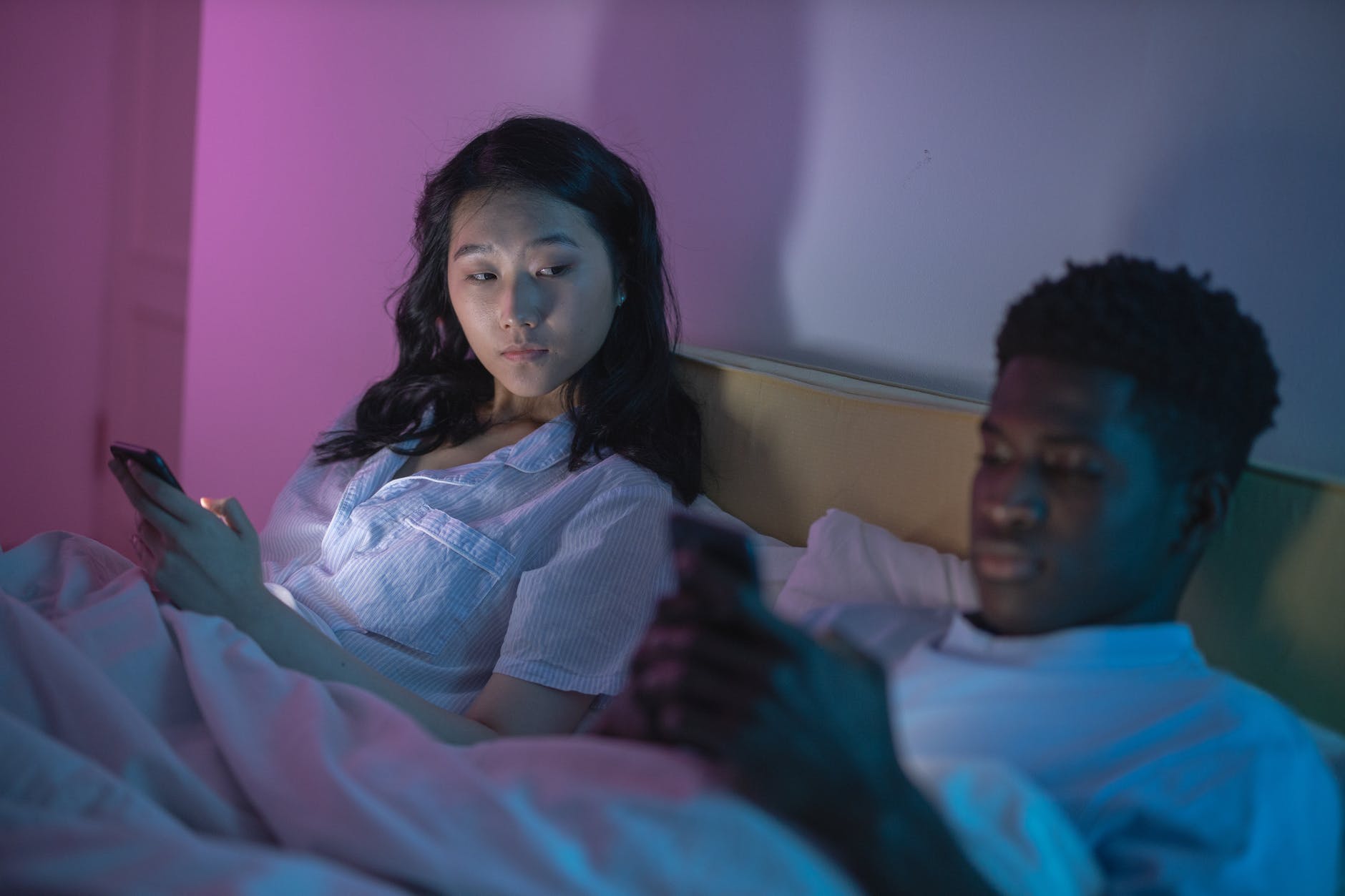
Navigating the Green-Eyed Monster in the Digital Age: Understanding Jealousy in the Era of Social Media
So, what do we think about jealousy?
Someone might say: Everytime I look at a clever social media post I think – I wish I had said that.
Someone might say:: Evertime I see great teaching I think – I wish I could do that.
Someone might say: Everytime I see great writing I think – I wish I could write like that.
In the ever-evolving landscape of the digital age, where social media platforms dominate our daily lives, the intricate emotions of jealousy have found new avenues to manifest and thrive. The online realm, with its constant stream of curated images and carefully crafted narratives, has given rise to a unique breed of jealousy and envy, one that researchers are now exploring in depth. In this blog post, we’ll delve into the realm of jealousy in the digital age, drawing on relevant research studies to shed light on the complexities of this emotion in our interconnected world.
Social Media’s Role in Fanning the Flames
Many of our clients suffer from what is often called ‘compare and despair’.
A wide range of studies has highlighted the correlation between social media usage and increased feelings of jealousy. A 2018 study conducted by the University of Copenhagen revealed that frequent use of Facebook can contribute to heightened envy and resentment. The study suggests that comparing oneself to others on social media platforms often leads to negative self-perception, fostering the growth of jealousy.
Moreover, research published in the Journal of Personality and Social Psychology in 2013 emphasizes the impact of social media on relationship satisfaction. The study found that the more time individuals spent on Facebook, the more likely they were to experience feelings of jealousy and suspicion within their romantic relationships.
The ‘Highlight Reel’ Effect
One of the driving forces behind jealousy in the digital age is the so-called “highlight reel effect” – a term used to describe the selective sharing of positive moments on social media. A 2019 study from the University of Houston reveals that exposure to idealized representations of others’ lives on social media can significantly contribute to feelings of envy and dissatisfaction.
The curated nature of social media content creates an illusion of perfection, leaving individuals prone to comparing their behind-the-scenes reality with others’ carefully edited highlight reels. This constant comparison often leads to a distorted self-perception and, subsequently, the emergence of jealousy.
Digital Detox and Emotional Well-being
As the negative implications of excessive social media use on mental health become increasingly evident, researchers are also exploring the positive effects of a digital detox. A 2020 study published in the Journal of Social and Clinical Psychology found that limiting the use of social media to 30 minutes per day resulted in significant reductions in depression and loneliness.
The findings suggest that fostering a healthy relationship with social media, characterized by mindful and intentional use, can mitigate the detrimental effects of jealousy. Establishing boundaries and being mindful of one’s emotional responses to digital content are crucial steps in maintaining emotional well-being in the digital age.
So what do we do as therapists?
It seems to me there are six things we can advise our clients to do in this context.
- Explore cutting down on social media usage
- Become more aware of our SOMENATS – Our Social Media Negative Automatic Thoughts
- Help others be more measured with social media – maybe just look at posts from those we know and trust
- Have rules with your partner about social media
- Ask yourself a simple question – what will I need to be able to make intelligent, informed decisions if I am tempted by a course of action that I know right now might not be in my longer term interests?
- Get ready to forgive. If we or our partners are unfaithful or jealous we need to make forgiveness an option. Not an automatic response. Not Plan A. Not the only route. Just an option.
Conclusion
As we navigate the complex landscape of the digital age, it is essential to recognize and understand the role of jealousy in our online interactions. Social media’s influence on our emotions is a double-edged sword, capable of both uplifting and undermining our well-being. By staying informed about relevant research studies and adopting mindful digital habits, we can cultivate a healthier relationship with technology, fostering emotional resilience in the face of the green-eyed monster that lurks in the shadows of our screens.

